Shipex Token
Shipex Token
Tokenized Access to
Tokenized Access to
Global Maritime Assets
Global Maritime Assets
Global Maritime Assets
Marketplace
Shipex Token’s Market place opens doors for investors to participate in the global shipping industry through blockchain-based tokenization. Each vessel is digitally divided into tradable tokens, portfolio diversification, and enhanced liquidity — all within a secure and transparent ecosystem. By offering access to multiple classes of maritime vessels tokens, Shipex Token allows investors to strategically diversify across the full spectrum of ocean logistics. Our initial aim is to purchase and trade Tankers however through time we will also trade other type of vessels.
Coming Soon
Coming Soon
Vessel Types
Shipex Token
A- Tankers (Oil / Chemical / LNG/LPG)
A- Tankers (Oil / Chemical / LNG/LPG)
A- Tankers (Oil / Chemical / LNG/LPG)
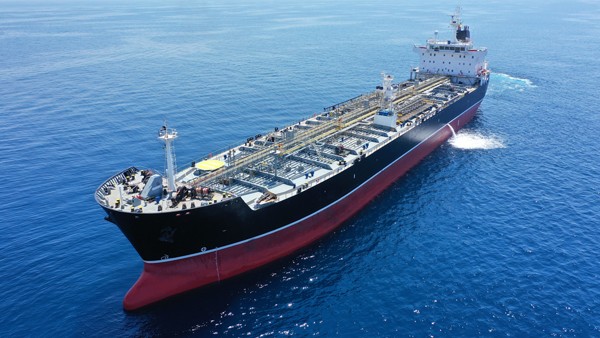
I- Crude oil
Bulk carriers mainly carry bulk cargoes such as iron ore , coal , ore, grain etc. These large vessels are divided into several separate holds covered by hatches and can be identifiable by the hatches raised above deck level which cover the large cargo holds and consistent global demand offer potential for stable long-term returns with the Support of growing potential of world population.
I- Crude oil
Bulk carriers mainly carry bulk cargoes such as iron ore , coal , ore, grain etc. These large vessels are divided into several separate holds covered by hatches and can be identifiable by the hatches raised above deck level which cover the large cargo holds and consistent global demand offer potential for stable long-term returns with the Support of growing potential of world population.
I- Crude oil
Bulk carriers mainly carry bulk cargoes such as iron ore , coal , ore, grain etc. These large vessels are divided into several separate holds covered by hatches and can be identifiable by the hatches raised above deck level which cover the large cargo holds and consistent global demand offer potential for stable long-term returns with the Support of growing potential of world population.
*
*
*
*
ii- Product Tankers
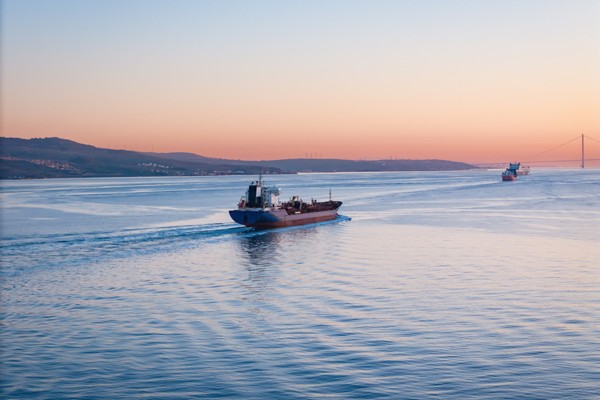
Product tankers transport refined petroleum products such as gasoline, kerosene, gasoil, diesel, and jet fuel. They are generally smaller than crude oil carriers and typically range from about 35,000 to 115,000 deadweight tons (DWT). These vessels move refined products from major export terminals to regional ports worldwide. Some product tankers are also capable of carrying non-petroleum liquid cargoes such as molasses or palm oil. Product tankers are commonly classified as follows:
• MR (Medium Range) Tankers: up to about 50,000 DWT
• LR1 (Long Range 1) Tankers: up to about 70,000 DWT
• LR2 (Long Range 2) Tankers: typically 80,000–115,000 DWT
• Panamax Tankers: around 65,000–80,000 DWT (designed to meet Panama Canal size limits)
ii- Product Tankers
Product tankers transport refined petroleum products such as gasoline, kerosene, gasoil, diesel, and jet fuel. They are generally smaller than crude oil carriers and typically range from about 35,000 to 115,000 deadweight tons (DWT). These vessels move refined products from major export terminals to regional ports worldwide. Some product tankers are also capable of carrying non-petroleum liquid cargoes such as molasses or palm oil. Product tankers are commonly classified as follows:
• MR (Medium Range) Tankers: up to about 50,000 DWT
• LR1 (Long Range 1) Tankers: up to about 70,000 DWT
• LR2 (Long Range 2) Tankers: typically 80,000–115,000 DWT
• Panamax Tankers: around 65,000–80,000 DWT (designed to meet Panama Canal size limits)
ii- Product Tankers
Product tankers transport refined petroleum products such as gasoline, kerosene, gasoil, diesel, and jet fuel. They are generally smaller than crude oil carriers and typically range from about 35,000 to 115,000 deadweight tons (DWT). These vessels move refined products from major export terminals to regional ports worldwide. Some product tankers are also capable of carrying non-petroleum liquid cargoes such as molasses or palm oil. Product tankers are commonly classified as follows:
• MR (Medium Range) Tankers: up to about 50,000 DWT
• LR1 (Long Range 1) Tankers: up to about 70,000 DWT
• LR2 (Long Range 2) Tankers: typically 80,000–115,000 DWT
• Panamax Tankers: around 65,000–80,000 DWT (designed to meet Panama Canal size limits)
iii- Chemical Tankers
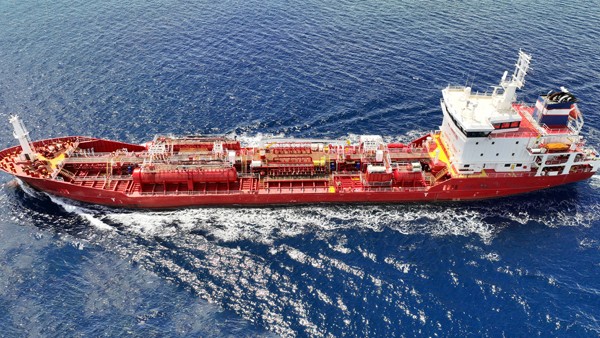
Chemical tankers typically range up to 50,000 DWT and feature specialized cargo systems, such as heating, cooling, and advanced tank-cleaning technology. They transport sensitive cargoes that require strict purity standards. Depending on their IMO class (I, II, or III), they carry hazardous chemicals, edible oils, or high-purity petroleum products.
iii-Chemical Tankers
Chemical tankers typically range up to 50,000 DWT and feature specialized cargo systems, such as heating, cooling, and advanced tank-cleaning technology. They transport sensitive cargoes that require strict purity standards. Depending on their IMO class (I, II, or III), they carry hazardous chemicals, edible oils, or high-purity petroleum products.
iii- Chemical Tankers
Chemical tankers typically range up to 50,000 DWT and feature specialized cargo systems, such as heating, cooling, and advanced tank-cleaning technology. They transport sensitive cargoes that require strict purity standards. Depending on their IMO class (I, II, or III), they carry hazardous chemicals, edible oils, or high-purity petroleum products.
*
*
*
*
iv-LNG and LPG
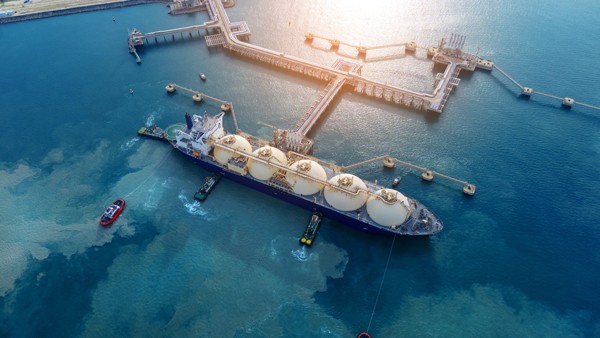
LNG and LPG carriers are purpose-built vessels designed to transport liquefied gas under pressure or at extremely low temperatures. LNG carriers, including the large Q-Flex class, can carry up to 266,000 cubic meters of gas at –160°C in insulated spherical tanks. LPG carriers transport propane, butane, ammonia, and chemical gases either fully pressurized or refrigerated. These vessels represent some of the most technologically advanced ships in maritime logistics
iv-LNG and LPG
LNG and LPG carriers are purpose-built vessels designed to transport liquefied gas under pressure or at extremely low temperatures. LNG carriers, including the large Q-Flex class, can carry up to 266,000 cubic meters of gas at –160°C in insulated spherical tanks. LPG carriers transport propane, butane, ammonia, and chemical gases either fully pressurized or refrigerated. These vessels represent some of the most technologically advanced ships in maritime logistics
iv-LNG and LPG
LNG and LPG carriers are purpose-built vessels designed to transport liquefied gas under pressure or at extremely low temperatures. LNG carriers, including the large Q-Flex class, can carry up to 266,000 cubic meters of gas at –160°C in insulated spherical tanks. LPG carriers transport propane, butane, ammonia, and chemical gases either fully pressurized or refrigerated. These vessels represent some of the most technologically advanced ships in maritime logistics
Vessel Types
Shipex Token
B. Dry Cargo Vessels
B. Dry Cargo Vessels
B. Dry Cargo Vessels
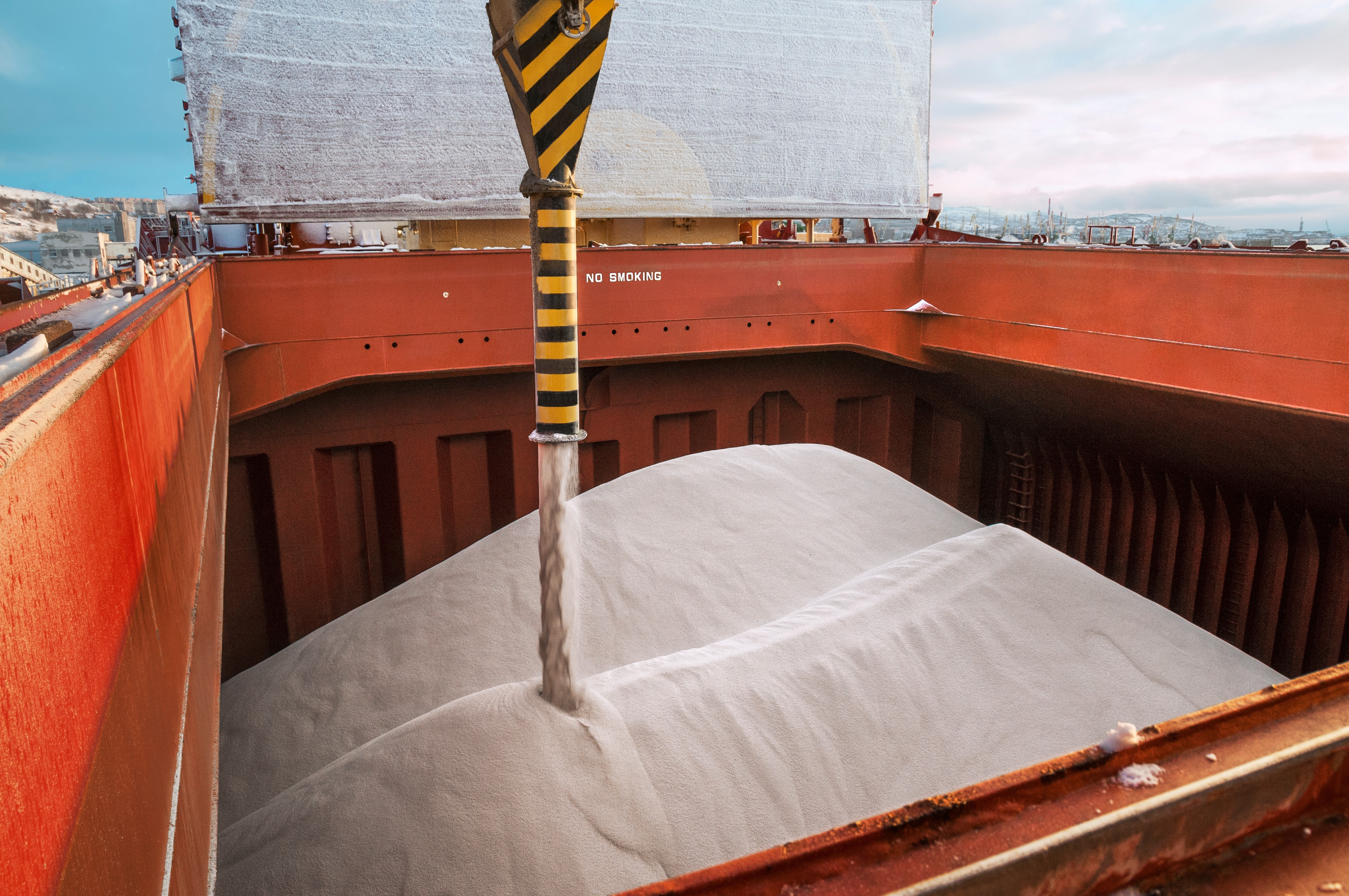
ii- Bulk Carrier
Bulk carriers mainly carry bulk cargoes such as iron ore , coal , ore, grain etc. These large vessels are divided into several separate holds covered by hatches and can be identifiable by the hatches raised above deck level which cover the large cargo holds and consistent global demand offer potential for stable long-term returns with the Support of growing potential of world population.
ii- Bulk Carrier
Bulk carriers mainly carry bulk cargoes such as iron ore , coal , ore, grain etc. These large vessels are divided into several separate holds covered by hatches and can be identifiable by the hatches raised above deck level which cover the large cargo holds and consistent global demand offer potential for stable long-term returns with the Support of growing potential of world population.
ii- Bulk Carrier
Bulk carriers mainly carry bulk cargoes such as iron ore , coal , ore, grain etc. These large vessels are divided into several separate holds covered by hatches and can be identifiable by the hatches raised above deck level which cover the large cargo holds and consistent global demand offer potential for stable long-term returns with the Support of growing potential of world population.
*
*
*
*
ii- Container Vessels
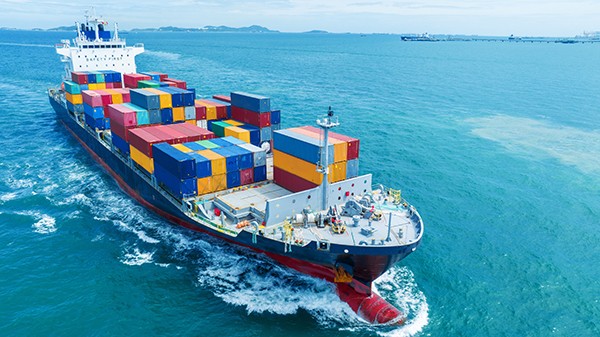
Container ships have become the main way of transporting manufactured goods around the world. Namely, a container has a standard size to simplify transportation and can be transferred between truck, train and ship relatively easily. These ships transport standardized containers across global routes with maximum efficiency.
ii- Container Vessels
Container ships have become the main way of transporting manufactured goods around the world. Namely, a container has a standard size to simplify transportation and can be transferred between truck, train and ship relatively easily. These ships transport standardized containers across global routes with maximum efficiency.
ii- Container Vessels
Container ships have become the main way of transporting manufactured goods around the world. Namely, a container has a standard size to simplify transportation and can be transferred between truck, train and ship relatively easily. These ships transport standardized containers across global routes with maximum efficiency.
iii- Reefer Vessels (Refrigerated Cargo)
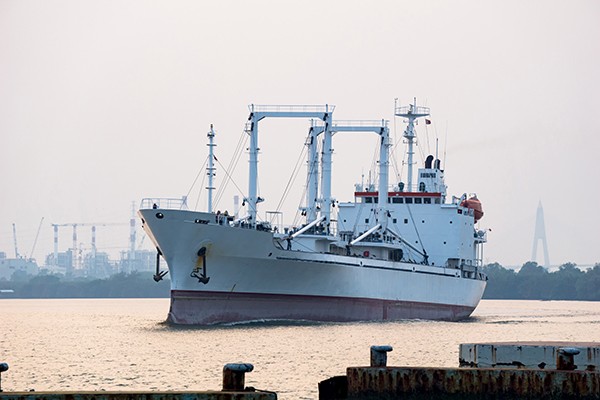
Refrigerated vessels, also known as reefers, are indeed very specialized ships. Such vessels usually consist of perishable goods such as fruit ,fish or meat and cargo is stowed in holds which are then sealed and temperature controlled. With strong, year-round demand, reefer vessels play a vital role in global food logistics and offer attractive investment potential.
iii- Reefer Vessels (Refrigerated Cargo)
Refrigerated vessels, also known as reefers, are indeed very specialized ships. Such vessels usually consist of perishable goods such as fruit ,fish or meat and cargo is stowed in holds which are then sealed and temperature controlled. With strong, year-round demand, reefer vessels play a vital role in global food logistics and offer attractive investment potential.
iii- Reefer Vessels (Refrigerated Cargo)
Refrigerated vessels, also known as reefers, are indeed very specialized ships. Such vessels usually consist of perishable goods such as fruit ,fish or meat and cargo is stowed in holds which are then sealed and temperature controlled. With strong, year-round demand, reefer vessels play a vital role in global food logistics and offer attractive investment potential.
*
*
Assets
IMO II / III MRII OIL Tanker
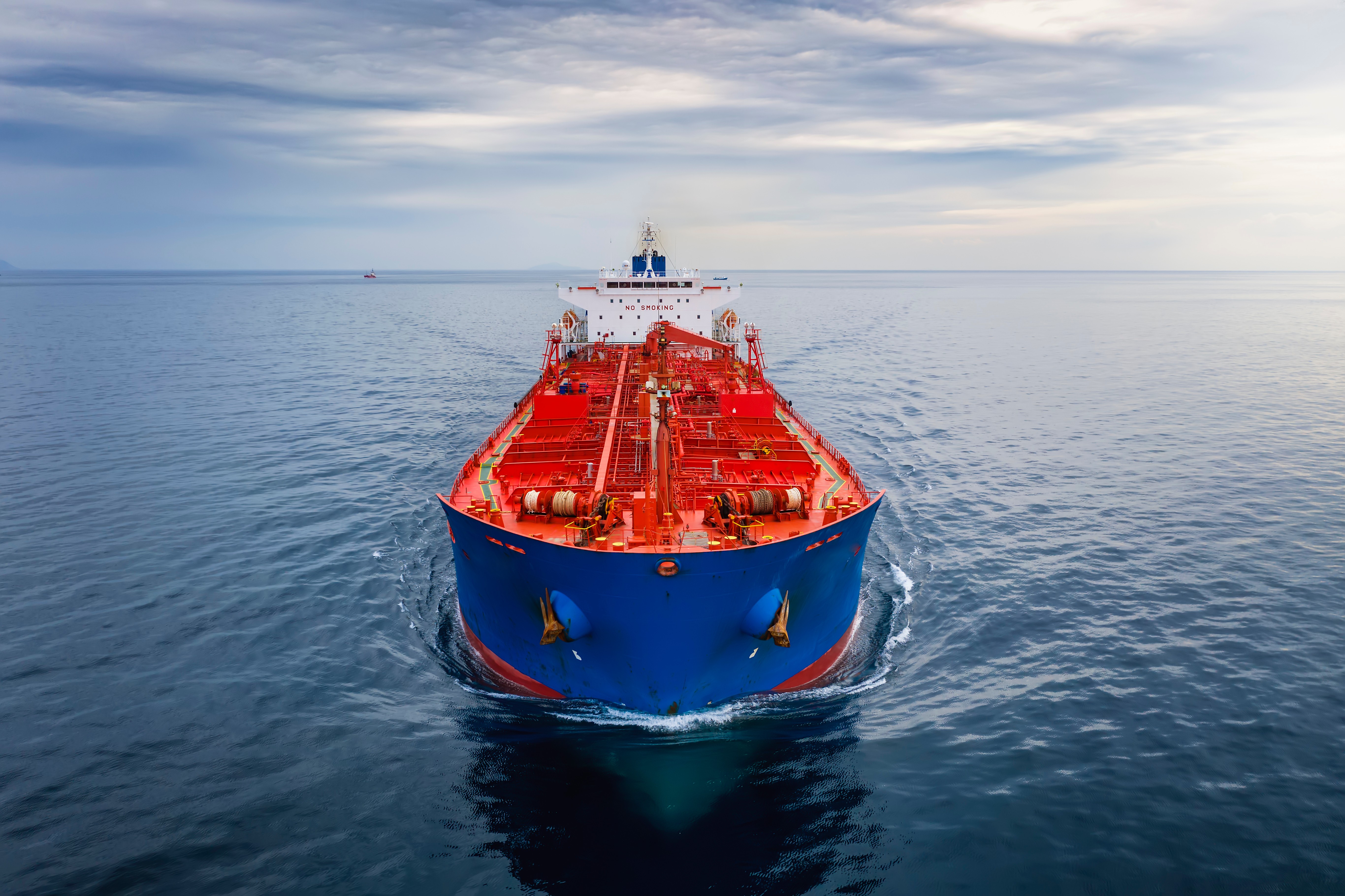
IMO II / III MRII OIL Tanker
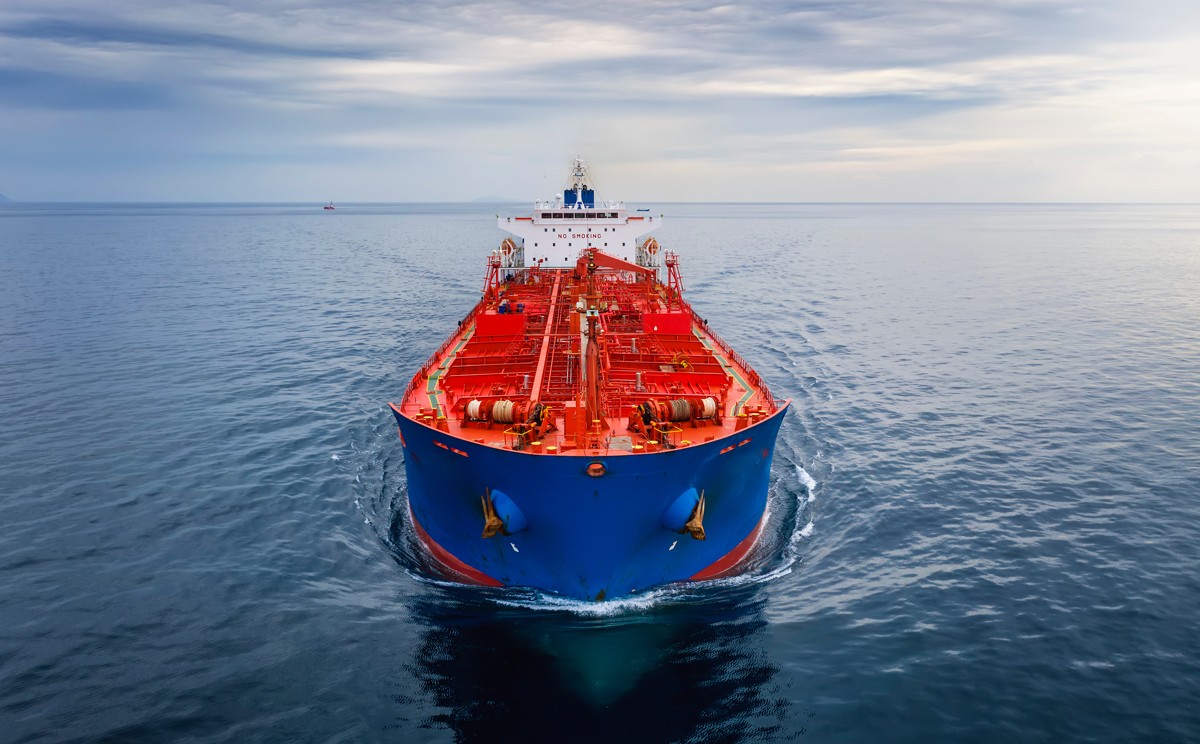
IMO II / III MRII OIL Tanker
IMO II / III MRII OIL Tanker
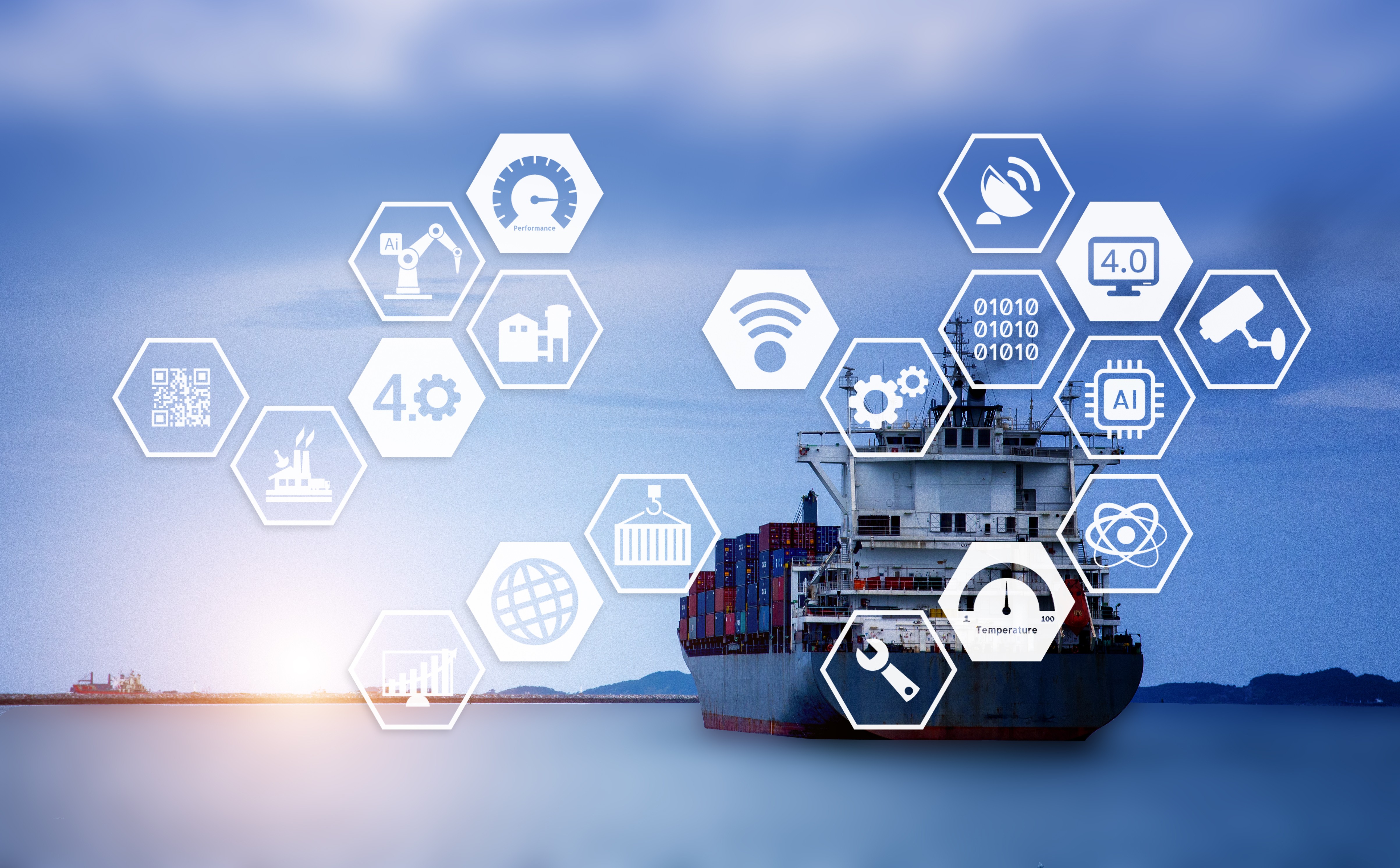
Maritime Data
Maritime Data
Maritime Data
Maritime Data
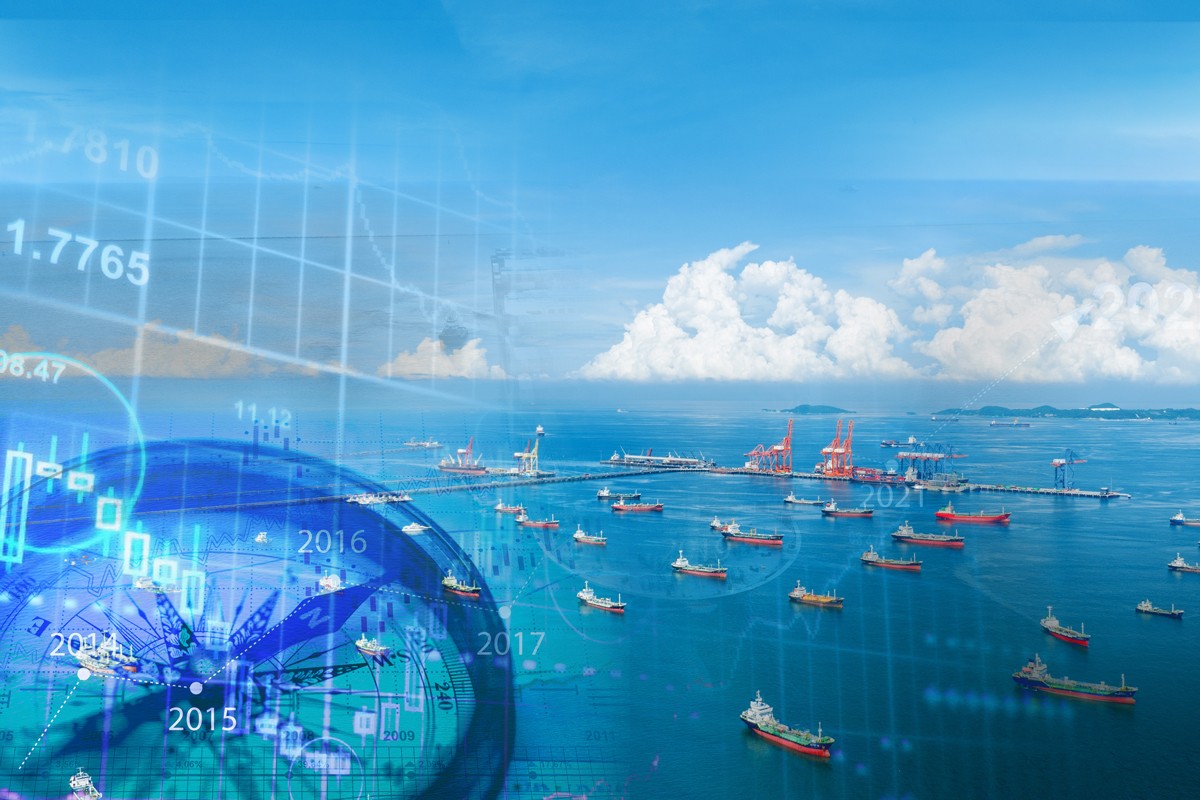
Financial instruments
Financial instruments
Financial instruments
Financial instruments
